

 LOTTO7
 Jueteng
 Tabletop Game
 Online Bingo
 Online Sabong
 Contact Us
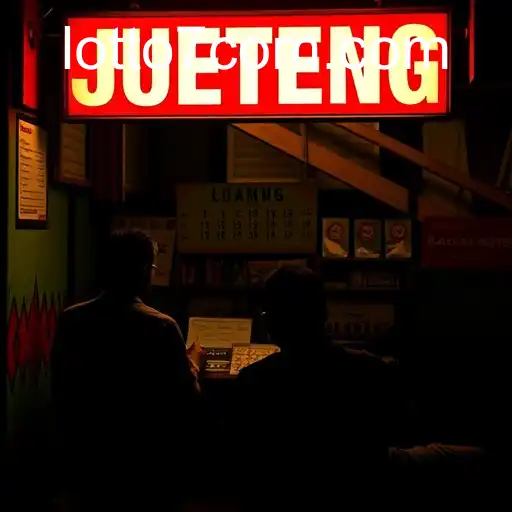
Explore the intricate world of Jueteng, the underground numbers game deeply ingrained in Filipino culture, economic dynamics, and the challenges it faces.
Jueteng: The Underground Numbers Game
Jueteng is a popular numbers game played extensively in the Philippines, shrouded in both intrigue and controversy. Despite repeated efforts by the government to curb its prevalence, this unofficial lottery continues to thrive in many regions, deeply ingrained in the socio-cultural fabric of the country.
The Mechanics of Jueteng
The game of jueteng is deceptively simple. Players select numbers from 1 to 37, with these numbers originating from two separate draws, making jueteng somewhat similar to other lottery-type games. However, the crucial distinction lies in its unofficial nature and lack of regulation by any governing authority. Players typically place bets through a local contact, known as a "kubrador," who collects bets and distributes winnings.
Jueteng draws are traditionally carried out multiple times a day, held in undisclosed locations to avoid detection by law enforcement agencies. The resulting numbers are then disseminated through a network of kubradors. This informality embedded in the game’s structure makes it notoriously difficult to regulate or eliminate.
Cultural and Economic Significance
For many Filipino citizens, jueteng represents more than just a game; it is a chance for economic relief. Economic struggles push people towards this underground game, offering a semblance of hope to those continuously seeking a better financial situation. With minimal upfront costs and the potential for high returns, even wagering small sums is enticing.
Jueteng has historically funded significant social activities and local community projects, building a complex relationship with the regions it serves. The money flowing through jueteng networks creates jobs, indirectly supporting those engaged in this underground profession, from kubradors to financiers known as "jueteng lords."
Challenges in Eradicating Jueteng
Government agencies and law enforcers face significant hurdles in their attempts to eradicate jueteng. The secretive nature of operations, the deep-seated networks, and the community support for jueteng complicate efforts to eliminate it altogether. Numerous crackdowns and legislative attempts have met with temporary success at best.
A major challenge remains the implicit favoritism and corruption within certain political circles. Some officials allegedly protect these operations for personal gain, maintaining a status quo that consistently derails reform activities.
Interestingly, Jueteng players often claim a sense of community and morality in their defense against legalization attempts. They argue that jueteng provides a communal sense of economic independence and allows individuals to contribute meaningfully to local causes.
Jueteng and Legalized Lotteries
In contrast to jueteng, other regulated lottery games such as LOTTO7 operate under stringent legal frameworks, providing clear structures for legality and fairness. Malagasy LOTTO7 offers a transparent and reliable mechanism for gamers to participate in state-sanctioned lottery plays. Similar operations in the Philippines offer a chance to bring informal bets into a legal and regulated environment.
Advocates of integrating jueteng-like systems into a legal framework argue that it could help curb illegal gambling by redirecting profits into legitimate channels, ultimately benefiting public infrastructure and community programs. Legalizing and regulating this would also mean safer, fairer practices for bettors, diverting funds from potentially harmful underground networks.
The Path Forward
The future of jueteng is uncertain. Attempts to reform or integrate it within a legal framework require significant political will and transparency across governmental sectors. Transformative political leadership is crucial for transitioning from protectionism to transparency.
Education will be critical to shifting public perception and gaining support for moves towards legalization and regulation. Citizens need to be informed about the benefits of legislative lotteries like LOTTO7, showcasing the broader societal benefits over underground custodial operations.
Recognizing the key position jueteng holds in Filipino society, any path forward will need to tenderly navigate its longstanding cultural significance while promoting a transition to legitimate financial empowerment avenues.
Conclusion
Jueteng's dilemma presents a complex interplay between culture, economy, legality, and morality. Untangling this web requires focus and commitment from legislators, law enforcement, and the community. Integrating jueteng into legitimate frameworks aligns the pursuit of financial gain with progress and social responsibility, stepping away from the shadows and towards a brighter future.


 LOTTO7
 Jueteng
 Tabletop Game
 Online Bingo
 Online Sabong
 Contact Us
 Company News
 Google Sitemap